 English▼



- E-Mail : David@tmaxcn.com
- E-Mail : Davidtmaxcn@gmail.com
- : No. 39, Xinchang Road, Xinyang, Haicang Dist., Xiamen, Fujian, China (Mainland)
Blog
Nickel Foam Price
January 27,2026.
Xiamen Tmax Battery Equipments Limited was set up as a manufacturer in 1995, dealing with lithium battery equipments, technology, etc. We have total manufacturing facilities of around 200000 square foot and more than 230 staff. Owning a group of experie-nced engineers and staffs, we can bring you not only reliable products and technology, but also excellent services and real value you will expect and enjoy.
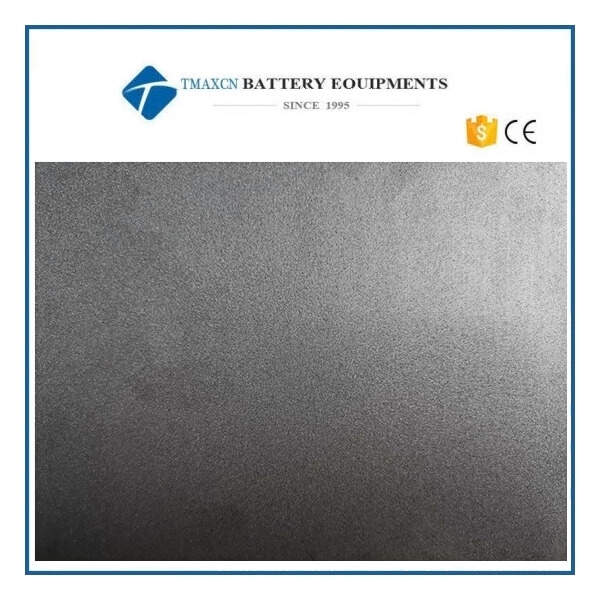
Nickel foam is a porous material made from nickel, widely used in applications such as battery electrodes, fuel cells, catalyst supports, and electromagnetic shielding. Its unique properties—such as high electrical conductivity, thermal stability, and large surface area—make it highly valuable in various industries. However, the price of nickel foam can vary significantly depending on several factors.
In this article, we will explore the factors influencing nickel foam prices, current market trends, and how to estimate costs effectively.
●Factors Affecting Nickel Foam Prices
1. Nickel Market Price
The base cost of nickel is a primary determinant of nickel foam prices. Global nickel prices fluctuate based on supply and demand dynamics, geopolitical events, and mining activities.
For example, disruptions in major nickelproducing countries (e.g., Indonesia, Philippines) can lead to price spikes.
2. Foam Density
Nickel foam comes in different densities, measured in pores per inch (PPI). Higherdensity foams (e.g., 80 PPI or 100 PPI) are more expensive than lowerdensity ones (e.g., 45 PPI or 60 PPI) due to their complex manufacturing processes.
3. Thickness
Thicker nickel foam sheets require more material and processing, increasing their cost. Common thicknesses range from 0.5 mm to 5 mm or more.
4. Surface Treatment
Additional treatments, such as electroplating, coating, or activation for catalytic purposes, add to the cost. Untreated nickel foam is generally less expensive.
5. Manufacturing Process
The method used to produce nickel foam affects its price. Processes like sintering, electroforming, or chemical vapor deposition (CVD) have varying costs and efficiencies.
6. Geographical Location
Prices can differ based on the region of production and purchase. Countries with lower labor costs or advanced manufacturing capabilities may offer competitive pricing.
7. Supply Chain Dynamics
Availability of raw materials, transportation costs, and tariffs can influence nickel foam prices. Shortages or logistical challenges can drive up costs.
8. Customization
Custom shapes, sizes, or specifications (e.g., specific pore structures or mechanical properties) increase the price due to additional design and manufacturing efforts.
●Current Market Trends (As of 2025)
1. Increasing Demand in Battery Industry
The growing adoption of electric vehicles (EVs) and renewable energy storage systems has boosted demand for nickel foam, particularly in lithiumion batteries and nickelmetal hydride (NiMH) batteries.
2. Rising Nickel Prices
Global nickel prices have been volatile in recent years due to increased demand from EV manufacturers and concerns over supply chain disruptions. This directly impacts nickel foam prices.
3. Advancements in Manufacturing
Innovations in foam production technologies are improving efficiency and reducing costs. However, these advancements often come with initial investment costs that may be reflected in the product price.
4. Sustainability Initiatives
Recycling programs for nickelcontaining materials are gaining traction, which could help stabilize prices by providing a secondary source of raw materials.
5. Regional Variations
Prices tend to be higher in regions with strict environmental regulations or limited local production capabilities. For example, Europe and North America may see higher prices compared to Asia, where much of the nickel foam is manufactured.
●Approximate Nickel Foam Prices
The following table provides an estimate of nickel foam prices based on common specifications:
| Density (PPI) | Thickness (mm) | Price Range (USD/m²) |
||||
| 1020 | 0.5 1.0 | $50 $100 |
| 2040 | 1.0 2.0 | $80 $150 |
| 4560 | 2.0 3.0 | $120 $250 |
| 80100 | 3.0 5.0 | $200 $400+ |
*Note: These prices are approximate and subject to change based on market conditions, customization requirements, and supplier negotiations.*
●How to Estimate Nickel Foam Costs
To estimate the cost of nickel foam for your application, consider the following steps:
1. Determine Specifications
Identify the required density, thickness, size, and any additional treatments needed.
2. Consult Suppliers
Reach out to multiple suppliers for quotes. Be sure to specify your exact requirements to get accurate pricing.
3. Factor in Quantity
Bulk orders typically receive discounts, so consider purchasing in larger quantities if feasible.
4. Include Logistics Costs
Add shipping, customs duties, and handling fees to the base price, especially for international purchases.
5. Monitor Nickel Prices
Keep track of global nickel market trends to anticipate potential price fluctuations.
●Tips for Reducing Costs
1. Optimize Design
Use only the necessary density and thickness for your application to minimize material usage.
2. Explore Alternatives
Investigate other materials or foam types that might offer similar performance at a lower cost.
3. Negotiate LongTerm Contracts
Lock in favorable prices with suppliers through longterm agreements, especially in volatile markets.
4. Leverage Recycling
Consider using recycled nickel foam or returning used foam for recycling credits.
●Conclusion
Nickel foam prices depend on a combination of factors, including raw material costs, foam specifications, and market dynamics. As demand continues to grow across industries like batteries, fuel cells, and aerospace, understanding these factors and staying informed about market trends will help you make costeffective decisions.
What aspects of nickel foam pricing interest you most? Share your thoughts below! Together, let’s explore how to optimize costs while maintaining quality and performance in your applications.
 +86 13174506016
 David@tmaxcn.com

